Michael's Highland Park Perspective

Michael DiFiore | Pittsburgh East End Real Estate Expert

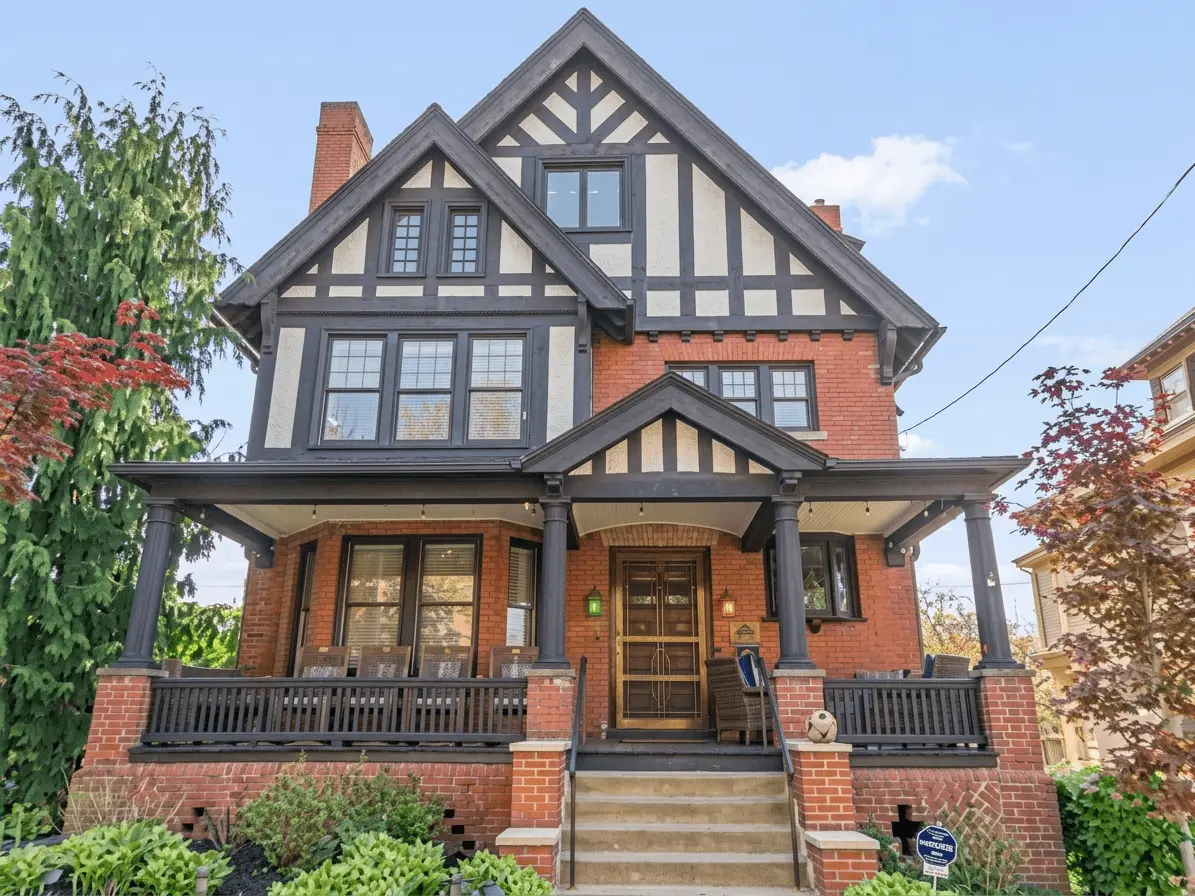
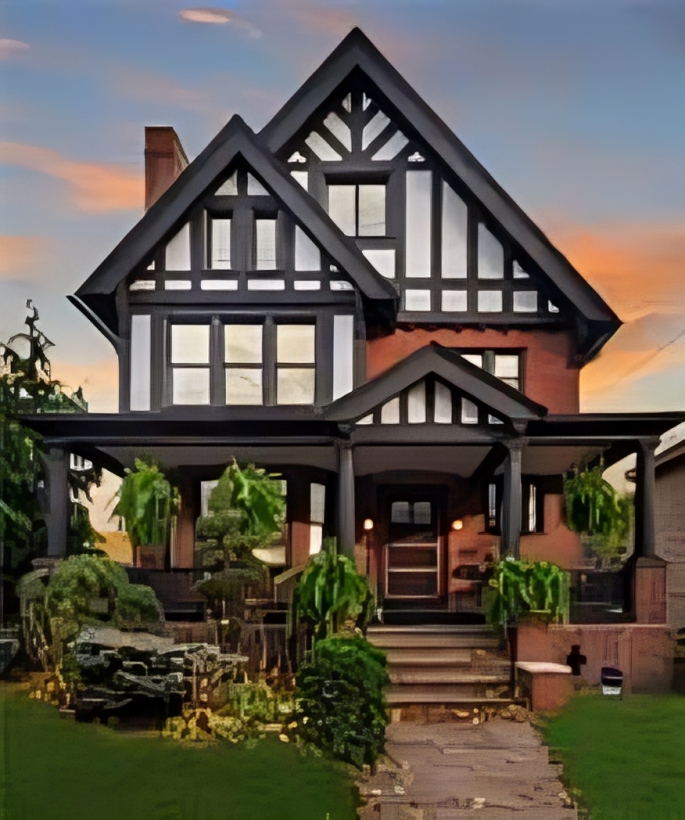
Tudor architectural style residential home for sale in Pittsburgh Pennsylvania

A Suburb Within the City

I grew up primarily in Squirrel Hill. As a young adult, I lived in different parts of Shadyside before moving to Highland Park more than 30 years ago. When I told friends I was moving, I would joke that I was moving to the suburbs. Highland Park was not a neighborhood we drove through. It was a neighborhood we drove to.
I’ve always described Highland Park as a suburb within the city. You still get everything that makes Pittsburgh special, but life just feels a little different here. The homes have yards, front porches, tree-lined streets, and one of Pittsburgh’s greatest parks becomes part of everyday life.

People Stay

I moved here more than 30 years ago and thought I might eventually move back to Shadyside. I have no desire to leave. Homes do not turn over every five or ten years. It is often more like thirty to fifty years. Highland Park is not a neighborhood you simply live in. It is a neighborhood you become part of.

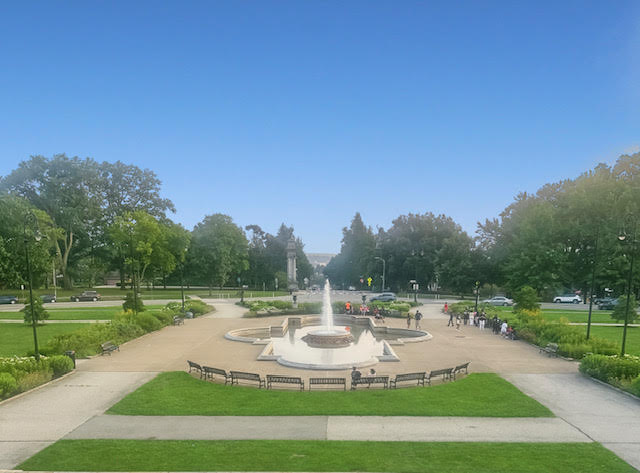
The Park

The neighborhood revolves around the park. People gather around green space. They walk, run, push strollers, walk their dogs, and sit by the reservoir. That is one reason Highland Park feels so comfortable, friendly, and unpretentious.

A Porch Community

On a nice evening, you will find people sitting on their front porches, talking with neighbors, waving to people walking by, or simply enjoying the evening. It is welcoming, friendly, and connected.

Understanding the Highland Park Housing Market

Market data updated: August 2026

Approximately 66 single-family homes sold during the measured 12-month period. Sale prices ranged from the low $200,000s to more than $1 million, with a median near $500,000 and roughly one-quarter of sales above $600,000.
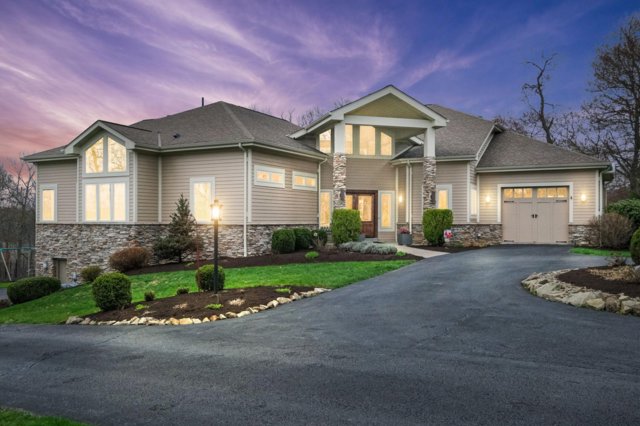
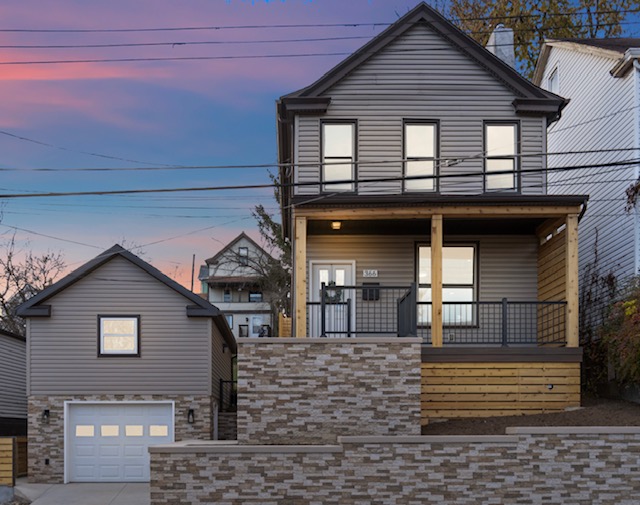
Highland Park includes a broad range of homes and values. The largest and most extensively restored properties are concentrated primarily above Hampton Street between Highland and Negley avenues. Below Hampton, buyers are more likely to find smaller homes and renovation opportunities. Condition, location, architecture, and renovation quality can create meaningful differences.

The Little Things That Make It Home

Bryant Street Mornings

One of my favorite Highland Park mornings starts with a pastry at Food Glorious Food, followed by coffee around the corner at Tazza D’Oro. There is a good chance you will run into someone you know, and a quick cup of coffee turns into a conversation.

Reservoir Regulars

Walk the reservoir at the same time every day and you will start recognizing the same faces. Before long, you will be exchanging smiles, saying hello, and learning names.

Urban Safari

Walk the reservoir around dinner time. On the east side you may hear the city shooting range across the valley. On the west side you might hear the lions at the Pittsburgh Zoo getting ready for dinner.

The Pub

If you ask where I would grab a burger and a beer, I am walking to The Pub for an applewood smoked burger, sweet potato fries, and a cold beer.

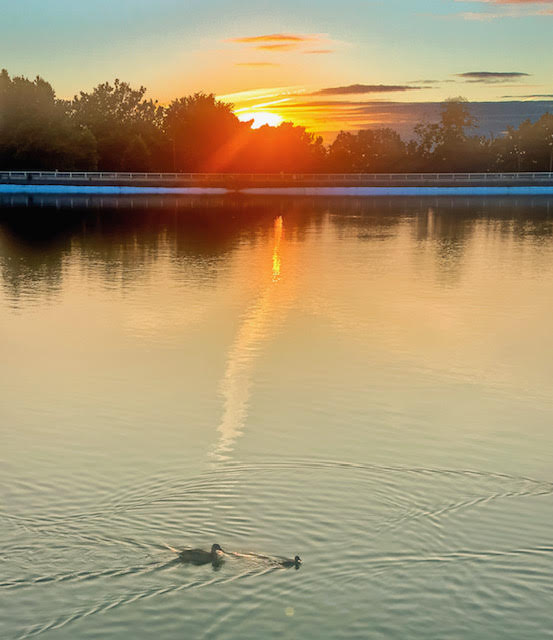
Sunset at the Upper Reservoir

After a nice day, watch the sunset reflect off the water. Highland Park has a way of wrapping itself around you like an old favorite sweater.

A Personal Measure of Highland Park

I moved here from Shadyside 30 years ago with a young family and thought I would eventually move
back.

Thirty years later, I have no desire to leave.

Final Thought:
Highland Park has a way of wrapping itself around you like an old favorite sweater.
Highland Park Frequently Asked Questions

What is Highland Park known for?
Highland Park is known for its park and reservoir, tree-lined residential streets, front porches, historic homes, and comfortable neighborhood atmosphere. Daily life is centered more around green space and community routines than a large commercial district.
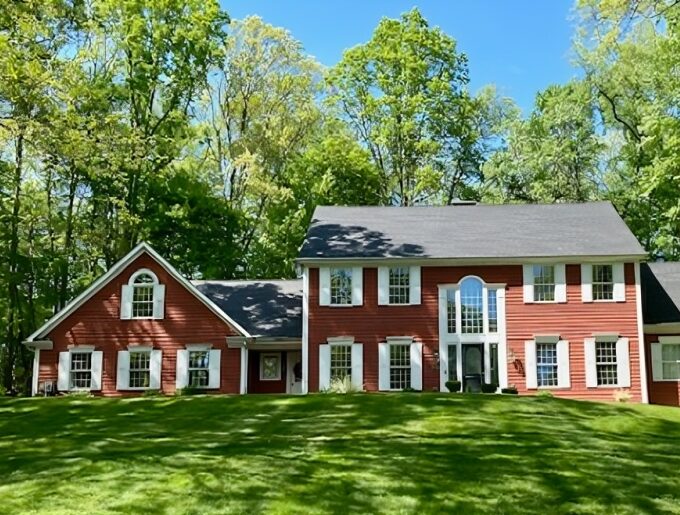
Highland Park has a varied housing stock that includes brick and frame homes, historic properties, modest houses, large restored residences, duplexes, and small multi-unit buildings. Size, condition, architecture, and location can differ substantially from one section to another.

During the 12-month period measured, single-family sale prices ranged from the low $200,000s to more than $1 million, with a median near $500,000. Approximately one-quarter of sales closed above $600,000.

The largest and most extensively restored homes are concentrated primarily above Hampton Street between Highland and Negley avenues. Below Hampton, buyers are more likely to find smaller homes and renovation opportunities. Individual streets and property condition still have a significant effect on value.
Many residents walk to the park, reservoir, Bryant Street businesses, and nearby East Liberty amenities. Walkability varies by location within the neighborhood, so buyers should evaluate the routes and destinations that matter to their daily routine.
Daily life often revolves around the park, reservoir, porches, neighborhood walks, and Bryant Street. The neighborhood feels residential and relaxed while remaining close to East Liberty, Shadyside, Lawrenceville, and other East End destinations.

Michael DiFiore has lived in Highland Park for more than 30 years. His experience as a homeowner, neighborhood resident, and Pittsburgh East End real estate agent gives him firsthand knowledge of the area’s housing, lifestyle, pricing differences, and long-term marketability.

Ready to find your place?

Leverage 30 years of local insight to navigate the Highland Park market with confidence.

Michael DiFiore - Trusted Pittsburgh Real Estate Advisor